The Power of Literary Words: How Novel Quotes Impact Our Daily Lives

Literature has always been more than just a form of entertainment. For centuries, novels have served as a profound mirror reflecting the complexities of the human experience. When we dive into a well-crafted story, we are not merely escaping reality; we are actively seeking answers, comfort, and motivation. Often, the most profound impact comes not from the plot itself, but from a single, perfectly constructed sentence. These quotes have the power to shift our perspective, offering clarity in moments of confusion.
Capturing the Essence of Life Through Fiction
The beauty of a great novel lies in its ability to articulate feelings we thought were uniquely ours. Life is beautifully chaotic, filled with unpredictable highs and devastating lows. When an author distills a complex life experience into a single quote, it provides readers with a vocabulary for their own emotions.
We often highlight passages or write down quotes about life because they validate our struggles and triumphs. A poignant reflection from a fictional character navigating an existential crisis can offer more genuine comfort than traditional advice. These words remind us that the human condition, with all its flaws and uncertainties, is a shared journey. They teach us resilience, urging us to turn the page even when the chapter feels unbearably heavy.
The Bonds That Tie Us: Friendship in Literature
Beyond individual struggles, novels brilliantly explore the dynamics of human connection. Some of the most memorable quotes in literary history revolve around companionship. Through the trials faced by characters, we witness the pure, unyielding nature of true loyalty.
Quotes about friendship found in fiction often become the standard by which we measure our own relationships. They remind us that true companionship is not about grand gestures, but about silent support, mutual understanding, and the willingness to stand by someone when the plot of their life takes a dark turn. When we read a beautiful sentence describing the unwavering bond between two characters, it inspires us to nurture those same connections in our reality, fostering empathy and deep appreciation for the people who walk alongside us.
Redefining Success and Ambition
As we navigate our careers and personal goals, fiction offers a unique lens through which to view ambition. Characters are constantly striving for greatness, battling external villains and internal doubts. The quotes detailing their journey toward success—or their realization of what true success actually means—are profoundly motivating.
- The Value of Persistence: Literary quotes often highlight that success is rarely a straight line, but rather a grueling marathon of endurance.
- Reevaluating Priorities: Many novels challenge the societal definition of success, suggesting that inner peace and integrity are far more valuable than material triumph.
- Overcoming Fear: Fictional heroes teach us that courage is not the absence of fear, but the decision to move forward despite it.
Carrying Fictional Wisdom into Reality
The magic of these quotes is their portability. Long after the book is closed and returned to the shelf, the words remain etched in our minds. We use them as captions, write them in our journals, and repeat them like mantras during challenging times. They bridge the gap between the imaginary world and our daily lives, proving that wisdom can be found in the most unexpected chapters.
In Part 2 of this series, we will dive deeper into the specific dynamics of human connection. Stay tuned for "Unbreakable Bonds: Analyzing Friendship and Loyalty in Fiction," where we will explore how classic and modern novels depict the ultimate test of companionship.
Unbreakable Bonds: Analyzing Friendship and Loyalty in Fiction
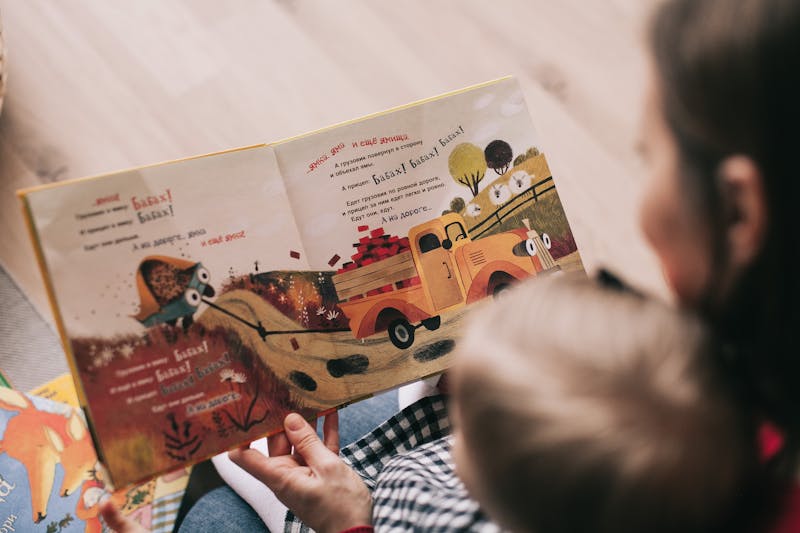
If there is one theme that resonates universally across all genres of literature, it is the profound impact of friendship. While romantic love often takes center stage in popular media, the quiet, steadfast nature of platonic love and loyalty forms the true backbone of many great narratives. Novels provide us with a masterclass in what it means to be a true companion, offering quotes and insights that we can directly apply to our daily lives.
The "Found Family" Phenomenon
One of the most beloved tropes in fiction is the concept of the "found family." Authors frequently bring together disparate characters, each carrying their own emotional baggage, and weave them into a tight-knit group. This dynamic teaches a vital life lesson: the family you choose can be just as strong, if not stronger, than the one you are born into.
When we read quotes detailing the fierce protection these characters offer one another, it reminds us to cherish our own chosen families. These fictional bonds validate our real-world friendships, highlighting that true connection is based on mutual respect, shared experiences, and a willingness to embrace each other's flaws.
Loyalty Tested by Adversity
A true friendship in literature is rarely easy. It is tested by overwhelming odds, misunderstandings, and external threats. Authors use these trials to demonstrate the depth of loyalty. It is easy to be a friend in times of peace, but literature shows us that genuine loyalty shines brightest in the dark.
- Sacrifice for the Greater Good: Many memorable quotes stem from moments where characters prioritize their friend's safety or happiness over their own.
- Forgiveness and Growth: Fiction teaches us that friends will inevitably make mistakes. The most powerful stories depict the difficult but rewarding journey of forgiveness, proving that a repaired bond can be stronger than an unbroken one.
- Silent Understanding: Often, the most profound displays of friendship in novels require no words at all. It is the simple act of standing side-by-side when the world is falling apart.
Applying Fictional Friendship to Reality
Why do we gravitate toward quotes about friendship from our favorite books? Because they offer a blueprint for the kind of friend we want to be, and the kind of friends we hope to have. When a character articulates the meaning of loyalty with poetic precision, it gives us the words to express gratitude to the people who support us in reality.
By analyzing how fictional characters build, maintain, and sometimes repair their relationships, we gain emotional intelligence. We learn to listen better, to offer support more freely, and to value the quiet moments of companionship just as much as the grand adventures.
In Part 3 of this series, we will shift our focus from interpersonal bonds to personal ambition. Join us as we explore "The Pursuit of Greatness: Success and Ambition in Classic Literature," and uncover how fictional journeys can inspire our own paths to achievement.
Unbreakable Bonds: Analyzing Friendship and Loyalty in Fiction
If there is one theme that resonates universally across all genres of literature, it is the profound impact of friendship. While romantic love often takes center stage in popular media, the quiet, steadfast nature of platonic love and loyalty forms the true backbone of many great narratives. Novels provide us with a masterclass in what it means to be a true companion, offering quotes and insights that we can directly apply to our daily lives.
The "Found Family" Phenomenon
One of the most beloved tropes in fiction is the concept of the "found family." Authors frequently bring together disparate characters, each carrying their own emotional baggage, and weave them into a tight-knit group. This dynamic teaches a vital life lesson: the family you choose can be just as strong, if not stronger, than the one you are born into.
When we read quotes detailing the fierce protection these characters offer one another, it reminds us to cherish our own chosen families. These fictional bonds validate our real-world friendships, highlighting that true connection is based on mutual respect, shared experiences, and a willingness to embrace each other's flaws.
Loyalty Tested by Adversity
A true friendship in literature is rarely easy. It is tested by overwhelming odds, misunderstandings, and external threats. Authors use these trials to demonstrate the depth of loyalty. It is easy to be a friend in times of peace, but literature shows us that genuine loyalty shines brightest in the dark.
- Sacrifice for the Greater Good: Many memorable quotes stem from moments where characters prioritize their friend's safety or happiness over their own.
- Forgiveness and Growth: Fiction teaches us that friends will inevitably make mistakes. The most powerful stories depict the difficult but rewarding journey of forgiveness, proving that a repaired bond can be stronger than an unbroken one.
- Silent Understanding: Often, the most profound displays of friendship in novels require no words at all. It is the simple act of standing side-by-side when the world is falling apart.
Applying Fictional Friendship to Reality
Why do we gravitate toward quotes about friendship from our favorite books? Because they offer a blueprint for the kind of friend we want to be, and the kind of friends we hope to have. When a character articulates the meaning of loyalty with poetic precision, it gives us the words to express gratitude to the people who support us in reality.
By analyzing how fictional characters build, maintain, and sometimes repair their relationships, we gain emotional intelligence. We learn to listen better, to offer support more freely, and to value the quiet moments of companionship just as much as the grand adventures.
In Part 3 of this series, we will shift our focus from interpersonal bonds to personal ambition. Join us as we explore "The Pursuit of Greatness: Success and Ambition in Classic Literature," and uncover how fictional journeys can inspire our own paths to achievement.
The Pursuit of Greatness: Success and Ambition in Classic Literature
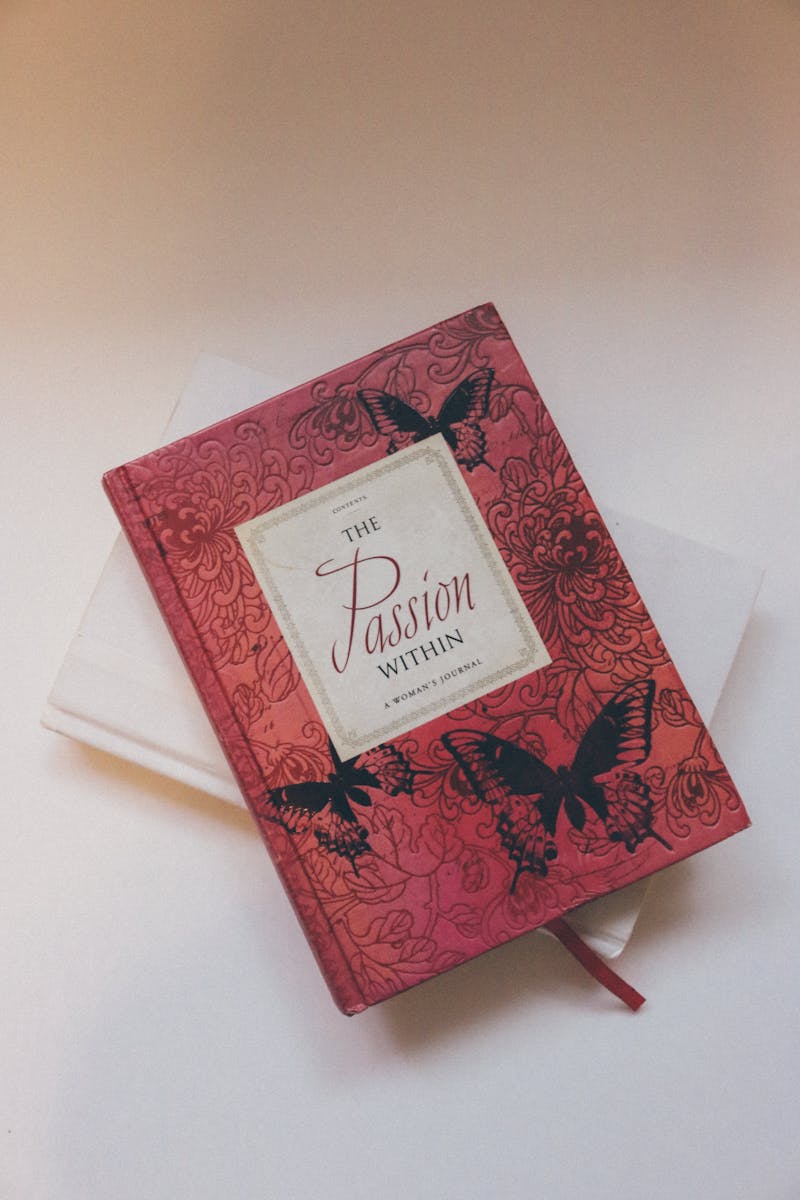
Throughout history, literature has served as a profound mirror reflecting humanity's relentless pursuit of greatness. Long before modern self-help books and motivational seminars, classic novels were exploring the intricate dynamics of ambition, success, and the sheer willpower required to achieve one's dreams. By analyzing the journeys of iconic fictional characters, we can extract timeless wisdom that remains fiercely relevant in our modern pursuit of success.
Defining Success Beyond Wealth
One of the most valuable lessons classic literature imparts is the multifaceted definition of success. While societal standards often equate greatness with material wealth and high status, profound novels frequently challenge this superficial narrative. Through intricate storytelling, authors demonstrate that true success is deeply personal and intricately tied to one's character, integrity, and internal fulfillment.
When we encounter quotes in literature where a protagonist achieves immense wealth but finds themselves spiritually bankrupt, it forces us to reevaluate our own goals. These narratives teach us that ambition must be balanced with morality and purpose. The pursuit of greatness should not cost us our humanity; rather, it should elevate it.
The Double-Edged Sword of Blind Ambition
Fiction does not shy away from the darker side of the pursuit of power. Many classic tales serve as cautionary masterpieces, showcasing what happens when ambition morphs into an uncontrollable obsession. These stories provide a psychological deep dive into the minds of characters who are willing to sacrifice anything—and anyone—to reach the top.
- The Cost of Compromise: Memorable quotes often highlight the exact moment a character compromises their values for a shortcut to success, serving as a stark warning to the reader.
- The Loneliness of the Peak: Literature frequently portrays the top as a solitary place for those who stepped on others to get there, reminding us that success shared is success multiplied.
- The Inevitability of Failure: Even the most ambitious fictional figures face crushing defeats. However, the true test of their greatness is not how they succeed, but how they endure their failures and choose to rebuild.
Extracting Motivation for Daily Life
Why do we turn to fiction for motivation? Because the struggles of fictional characters, though imagined, stem from genuine human emotions. When we read a powerful quote about a character refusing to give up against impossible odds, it sparks a fire within us. It provides a surge of motivation that can propel us through a difficult workday, a challenging project, or a period of self-doubt.
By carrying the wisdom of classic literature into our daily lives, we equip ourselves with a broader, more resilient mindset. We learn to pursue greatness with passion, navigate failures with grace, and define our success by the positive impact we leave behind.
In Part 4 of this series, we will transition from the pursuit of success to the inevitable challenges we face along the way. Get ready for "Overcoming Adversity: Life Lessons from Fictional Heroes," where we will explore how characters navigate their darkest hours to find inner strength.
The Art of World-Building: Creating Proverbs for Fantasy Realms

When we think of fantasy literature, our minds instantly wander to dragons, magic systems, and epic quests across uncharted maps. However, the true mastery of a fantasy author lies not just in creating landscapes, but in crafting entirely new cultures. One of the most subtle yet powerful tools in world-building is the creation of fictional proverbs, idioms, and cultural wisdom. These crafted sayings do more than just add flavor to a story; they offer profound reflections on our own reality.
The Cultural Significance of Fictional Lore
In the real world, proverbs are the distilled wisdom of generations, reflecting a society's values, fears, and history. When a fantasy author invents a proverb for an Elven kingdom, a Dwarven clan, or a distant sci-fi planet, they are instantly grounding their imaginary world in a sense of rich history.
These quotes serve as a window into the collective mindset of fictional races. For example, a culture that lives in a harsh, frozen wasteland might have proverbs centered around endurance and the warmth of community, while a society built on trade and politics might value sayings about wit and caution. When a character casually drops a piece of ancient lore into a conversation, the world immediately feels lived-in, vast, and authentic.
Grounding the Fantastical in Human Truth
The paradox of brilliant fantasy is that the further it travels from our reality, the closer it gets to universal human truths. Magic and monsters are often just metaphors for the very real challenges we face every day. The quotes and proverbs generated within these realms resonate because they strip away the mundane details of our lives and expose the raw emotional core beneath.
- Universal Metaphors: A fictional quote about standing against a literal dark lord often translates beautifully into standing against our own internal struggles, depression, or societal injustices.
- The Power of Myth: Fantasy proverbs tap into our ancient human love for mythology. They feel timeless, carrying the weight of ancient wisdom even though they were penned by a contemporary author.
- Moral Clarity: In worlds where the lines between good and evil are often starkly drawn, fictional proverbs can offer a comforting sense of moral clarity that is sometimes hard to find in the complex modern world.
Why Fantasy Quotes Resonate So Deeply
We memorize sayings from our favorite fantasy realms because they empower us. They allow us to carry a small piece of magic in our pockets as we navigate the ordinary world. When we face a difficult decision, whispering a courage-inducing proverb from a beloved fantasy mentor can provide a surprising surge of strength.
These fictional words prove that wisdom does not require a basis in historical fact to be true. If a quote inspires you to be kinder, braver, or more resilient, its origin in a fantasy map makes it no less powerful.
In Part 6 of this series, we will transition from the grand scale of world-building to the intimate details of character interaction. Join us for "Character Psychology: What Dialogue Reveals About Human Nature," where we will analyze the hidden depths behind fictional conversations.
Character Psychology: What Dialogue Reveals About Human Nature

A novel is much more than a sequence of events; it is a laboratory of human behavior. When an author breathes life into a character, they are effectively creating a psychological profile. One of the most fascinating ways we uncover these profiles is not through action, but through dialogue. The words characters choose to speak—and perhaps more importantly, the words they choose to withhold—offer a masterclass in psychology, providing readers with profound insights into human nature.
Reading Between the Lines: The Power of Subtext
In brilliant fiction, dialogue rarely serves a single purpose. On the surface, two characters might be discussing the weather or a mundane task, but underneath, a fierce battle of wills, unspoken affection, or deep-seated resentment is playing out. This hidden layer of meaning is known as subtext.
When we encounter quotes that drip with subtext, it forces us to become literary detectives. We analyze the emotional weight behind a simple "I'm fine" or a hesitant "goodbye." This practice of reading between the lines sharply hones our emotional intelligence. It teaches us to look beyond the literal words spoken by our friends, family, and colleagues, and pay attention to their tone, hesitation, and body language in the real world.
The Masks Characters Wear
Fictional characters, much like real people, often wear metaphorical masks to protect themselves. Dialogue is the primary tool authors use to show the contrast between a character's internal reality and their external persona.
- The Deflection Strategy: We often read quotes from characters who use humor or sarcasm as a shield to deflect from their trauma or insecurity. Recognizing this pattern in fiction helps us understand similar coping mechanisms in reality.
- The Unreliable Narrator: Some characters intentionally lie or twist the truth, not just to other characters, but to themselves. Analyzing their dialogue reveals the powerful psychological phenomenon of cognitive dissonance.
- The Breaking Point: The most memorable literary quotes often occur when a character's mask finally slips. The raw, unfiltered dialogue that spills out during moments of high stress reveals their truest psychological state.
Mirroring Our Own Minds
Why do we analyze fictional dialogue so closely? Because in dissecting a character's psychology, we are often trying to understand our own. When a protagonist articulates a complex, contradictory emotion with perfect precision, it validates our own confusing psychological states.
Literature gives us the vocabulary to discuss mental health, trauma, and emotional growth. By observing how characters navigate their psychological landscapes through conversation, we become better equipped to articulate our own internal struggles and empathize with the struggles of others.
In Part 7 of this series, we will turn the page to matters of the heart. Join us for "Romantic Tropes: Decoding the Most Memorable Love Quotes," where we will explore how literature captures the most complex human emotion of all.
Character Psychology: What Dialogue Reveals About Human Nature
A novel is much more than a sequence of events; it is a laboratory of human behavior. When an author breathes life into a character, they are effectively creating a psychological profile. One of the most fascinating ways we uncover these profiles is not through action, but through dialogue. The words characters choose to speak—and perhaps more importantly, the words they choose to withhold—offer a masterclass in psychology, providing readers with profound insights into human nature.
Reading Between the Lines: The Power of Subtext
In brilliant fiction, dialogue rarely serves a single purpose. On the surface, two characters might be discussing the weather or a mundane task, but underneath, a fierce battle of wills, unspoken affection, or deep-seated resentment is playing out. This hidden layer of meaning is known as subtext.
When we encounter quotes that drip with subtext, it forces us to become literary detectives. We analyze the emotional weight behind a simple "I'm fine" or a hesitant "goodbye." This practice of reading between the lines sharply hones our emotional intelligence. It teaches us to look beyond the literal words spoken by our friends, family, and colleagues, and pay attention to their tone, hesitation, and body language in the real world.
The Masks Characters Wear
Fictional characters, much like real people, often wear metaphorical masks to protect themselves. Dialogue is the primary tool authors use to show the contrast between a character's internal reality and their external persona.
- The Deflection Strategy: We often read quotes from characters who use humor or sarcasm as a shield to deflect from their trauma or insecurity. Recognizing this pattern in fiction helps us understand similar coping mechanisms in reality.
- The Unreliable Narrator: Some characters intentionally lie or twist the truth, not just to other characters, but to themselves. Analyzing their dialogue reveals the powerful psychological phenomenon of cognitive dissonance.
- The Breaking Point: The most memorable literary quotes often occur when a character's mask finally slips. The raw, unfiltered dialogue that spills out during moments of high stress reveals their truest psychological state.
Mirroring Our Own Minds
Why do we analyze fictional dialogue so closely? Because in dissecting a character's psychology, we are often trying to understand our own. When a protagonist articulates a complex, contradictory emotion with perfect precision, it validates our own confusing psychological states.
Literature gives us the vocabulary to discuss mental health, trauma, and emotional growth. By observing how characters navigate their psychological landscapes through conversation, we become better equipped to articulate our own internal struggles and empathize with the struggles of others.
In Part 7 of this series, we will turn the page to matters of the heart. Join us for "Romantic Tropes: Decoding the Most Memorable Love Quotes," where we will explore how literature captures the most complex human emotion of all.
The Antagonist's Mindset: Lessons in Failure and Redemption

While heroes inspire us with their courage and unwavering morality, there is a distinct, undeniable fascination with the antagonist. The villain of a story often possesses the most compelling dialogue and the sharpest observations about the world. By examining the mindset of literary antagonists and the quotes that define them, we can learn uncomfortable but necessary truths about failure, trauma, and the complex nature of human morality.
The Fine Line Between Hero and Villain
A well-written antagonist is rarely evil for the sake of being evil; they are often the heroes of their own twisted narratives. Literature teaches us that the line separating the protagonist from the antagonist is remarkably thin. Often, the only difference is how they chose to respond to a catastrophic failure or a profound trauma.
When an antagonist delivers a chillingly logical quote about why they chose a darker path, it forces the reader to confront their own breaking points. We realize that under the right (or wrong) circumstances, anyone is capable of losing their way. This realization fosters a deeper sense of empathy and a stronger commitment to our own moral compass.
Lessons Extracted from the Dark Side
Villains fail. It is a requirement of the narrative structure. However, the way they approach their goals and their inevitable downfall provides unique psychological insights:
- The Danger of Obsession: The antagonist's tragic flaw is frequently a single-minded obsession. Their quotes often reveal how blinding a singular goal can be, reminding us to maintain balance in our own ambitions.
- Unprocessed Trauma: Many villains are born from unhealed wounds. Their dialogue serves as a cautionary tale about what happens when pain is directed outward as anger, rather than processed and healed.
- Ruthless Pragmatism: While their methods are flawed, villains are often highly strategic. They teach us the importance of understanding the harsh realities of the world, even if we choose to navigate them with kindness.
The Power of the Redemption Arc
Perhaps the most powerful element of the antagonist's journey is the potential for redemption. Literature is filled with phenomenal character arcs where a former villain recognizes their toxic mindset and fights desperately to atone for their mistakes. Quotes from these redeemed characters are intensely emotional because they carry the heavy weight of lived experience.
A redemption arc teaches us that no matter how far we have fallen or how many mistakes we have made, it is never too late to change the narrative. If a fictional character can climb out of the deepest moral abyss, then surely, we possess the strength to overcome our daily shortcomings and strive to be better.
In Part 9 of this series, we will examine how literature has changed over time. Join us for "Modern Fiction vs. Classics: The Evolution of Literary Themes," where we will compare the wisdom of the past with the voices of today.
Modern Fiction vs. Classics: The Evolution of Literary Themes

The core of human storytelling remains unchanged: we use narratives to understand ourselves and the world around us. However, as society evolves, so do the anxieties, triumphs, and daily realities of the people living within it. By comparing the powerful quotes of classic literature with the poignant observations of modern fiction, we can trace a fascinating evolution in how humanity views success, mental health, identity, and interpersonal relationships.
The Timeless Grandeur of the Classics
Classic literature is often characterized by its grand philosophical scope. Authors of the past grappled with sweeping concepts: the nature of good and evil, the rigid structures of social class, and the heavy burden of duty versus passion. The quotes that have survived centuries are typically profound, highly structured, and designed to capture universal, immovable truths.
When we read a classic quote about human resilience or the inevitability of fate, it feels monumental. These words act as cultural anchors. They remind us that while technology and fashion may change, the fundamental desires for love, recognition, and purpose have remained exactly the same across hundreds of years.
The Raw Relatability of Contemporary Fiction
In contrast, modern fiction often turns the lens inward. Contemporary authors excel at capturing the hyper-specific, nuanced anxieties of the present day. The themes have shifted to explore mental health struggles, the complexities of modern identity, and the paradoxical loneliness of a hyper-connected digital world.
- Conversational Wisdom: Modern literary quotes are often less formal. They find profound meaning in casual dialogue, reflecting how people actually speak and think today.
- Embracing the Gray Area: While classics often dealt in moral absolutes, modern fiction thrives in ambiguity. Quotes from recent novels frequently highlight that life is rarely black and white, encouraging empathy for flawed, messy characters.
- The Focus on Mental Well-being: Contemporary literature provides a rich vocabulary for internal struggles like anxiety, burnout, and depression, offering readers deep comfort and a sense of being seen.
Bridging the Generational Gap
To fully harness the power of literary words, a reader must build a bridge between the old and the new. Classic literature provides the strong, philosophical foundation, while modern fiction offers the nuanced, emotional language needed to navigate today's unique challenges. A well-rounded reading habit allows us to draw courage from a 19th-century hero and immediately apply it to a 21st-century problem.
Ultimately, whether a quote was written with a feather quill or typed on a laptop, its value is determined by its ability to strike a chord within the reader's heart and prompt a moment of genuine reflection.
In the 10th and final part of this series, we will bring all these lessons together. Join us for "Building a Reading Habit: Finding Wisdom in Every Chapter," where we will provide practical tips on how to integrate the magic of books into your busy daily life.
Building a Reading Habit: Finding Wisdom in Every Chapter
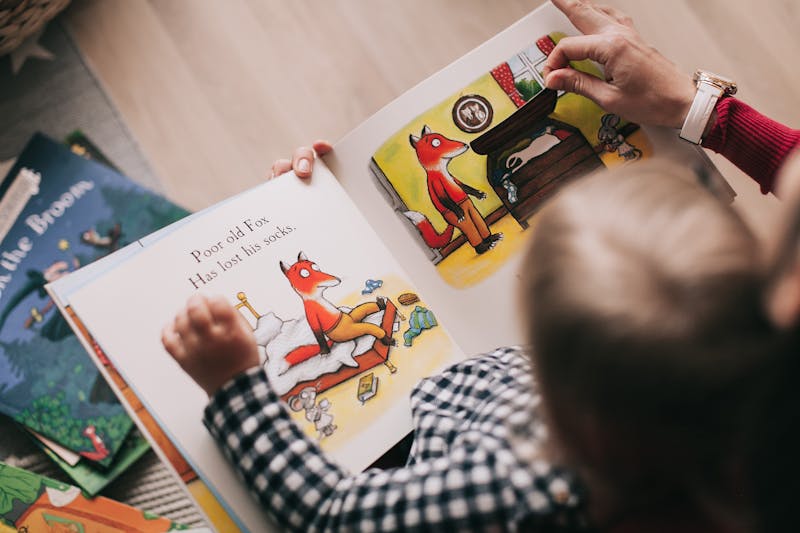
Throughout this 10-part series, we have explored the profound impact that literary words can have on our daily lives. We have analyzed the dynamics of fictional friendships, the dark mindset of antagonists, the pursuit of greatness, and the evolution of literary themes. However, all this timeless wisdom remains locked away on the shelf unless we actively engage with it. The final, and perhaps most crucial, step in harnessing the power of fiction is building a consistent, joyful reading habit.
Overcoming the Modern Attention Span
In today's fast-paced, digitally distracted world, sitting down with a book can feel like a daunting task. Our brains are wired for the quick dopamine hits of social media scrolling, making the slow, deliberate pace of reading feel unnatural at first. Recognizing this friction is the first step to overcoming it.
Building a reading habit is not about forcing yourself to read a novel a day; it is about reclaiming your attention span. It is a daily practice of slowing down, disconnecting from the noise, and allowing your mind to deeply immerse itself in another world, if only for a few minutes.
Practical Steps to Consistent Reading
To successfully integrate literature into your busy schedule, you must make the habit as frictionless as possible:
- Start Ridiculously Small: Commit to reading just two pages a day. It sounds insignificant, but consistency builds momentum. Often, those two pages will effortlessly turn into a whole chapter.
- Always Carry a Book: Whether it is a physical paperback, an e-reader, or an audiobook on your phone, having a story accessible turns idle moments—like waiting in line or commuting—into opportunities for wisdom.
- Create a Sacred Reading Space: Designate a comfortable corner of your home specifically for reading. Associate that physical space with relaxation and focus, leaving your phone in another room.
Active Reading: Hunting for Quotes
Once the habit is established, transition from a passive consumer to an active reader. Keep a pen, a highlighter, or a digital note-taking app nearby. When a sentence strikes a chord, pause and capture it. This practice, often called keeping a "commonplace book," transforms a novel from a passing entertainment into a personal reservoir of wisdom.
By actively searching for those powerful, life-changing quotes, you engage more deeply with the text. You begin to notice the author's craft, the subtle psychological shifts in the characters, and the overarching themes that connect the fiction to your reality.
Conclusion of the Series
Fiction is the ultimate empathy machine and the greatest mentor you will ever have. The quotes you collect along your reading journey will serve as a compass during times of uncertainty, a source of comfort in moments of grief, and a spark of motivation when you need it most. We hope this series has inspired you to dust off an old classic or pick up a new release today. Turn the page, and let the words change your life.
Thank you for joining us on this comprehensive journey through the power of literary words. Happy reading!
Comments